Google has once again demonstrated that the future of search is no longer limited to websites.
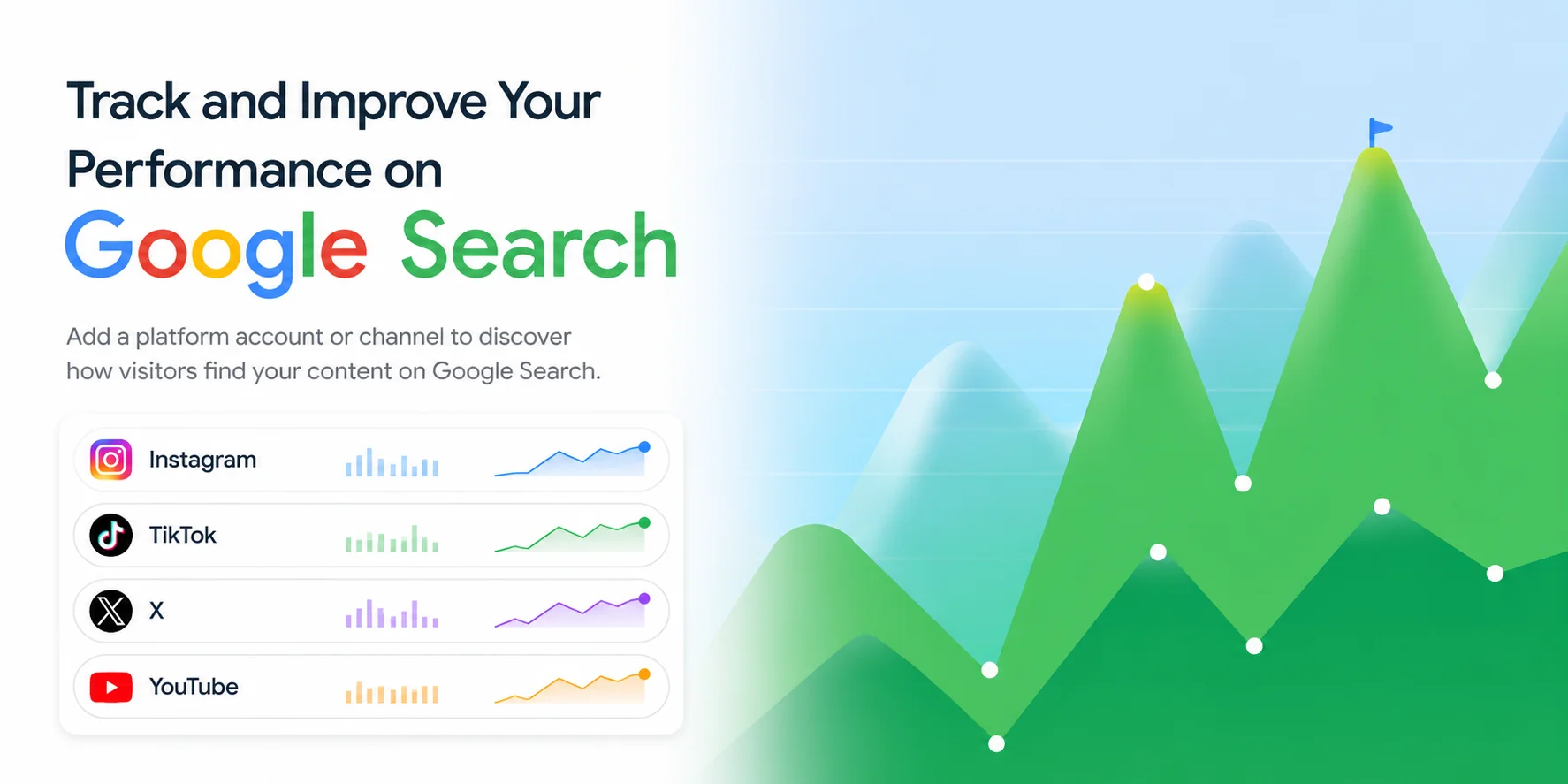
In a major update, Google Search Console has introduced Platform Properties, allowing eligible creators and businesses to track how their Instagram, YouTube, TikTok, and X (formerly Twitter) content performs in Google Search. This marks one of the most significant updates to Search Console in recent years and highlights Google’s increasing focus on integrating social media with organic search.
As someone who has worked in digital marketing for over years, I’ve witnessed many changes in Google’s algorithms and SEO best practices. However, this update stands out because it officially acknowledges that social media content has become an integral part of the search ecosystem.
For businesses, creators, publishers, and digital marketers, this is more than just a new reporting feature. It represents a shift in how brands should approach SEO in 2026 and beyond.
What Is Google Search Console Platform Properties?
Traditionally, Google Search Console was designed to monitor website performance. Website owners could track impressions, clicks, indexing, Core Web Vitals, technical issues, and keyword rankings.
With Platform Properties, Google extends these capabilities to supported social media platforms. Eligible users can verify their social profiles and view how their content performs directly in Google Search.
The reports provide insights into impressions, clicks, search queries, and top-performing content, enabling businesses to understand how users discover their social media posts through Google’s search results.
This update bridges the gap between website SEO and social media marketing, making Search Console a more comprehensive performance analysis tool.
Supported Social Platforms
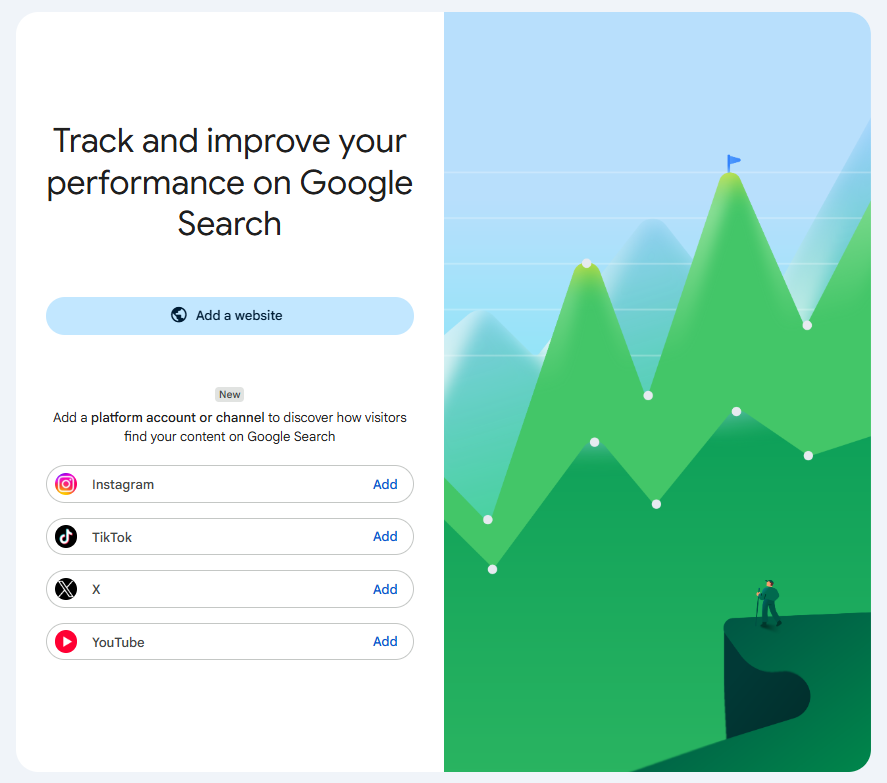
Google currently supports the following platforms:
- YouTube
- TikTok
- X (formerly Twitter)
Google may expand support to additional platforms in the future as search behavior continues to evolve.
Why This Update Is So Important
Search behavior has changed dramatically over the past few years.
Consumers are no longer searching only for websites.
Instead, they search for:
- Product reviews on YouTube
- Fashion inspiration on Instagram
- Tutorials on TikTok
- Industry news on X
- Short-form educational videos
- Brand profiles
- Creator content
Google has increasingly displayed this content directly within search results.
Platform Properties now gives marketers access to performance data that was previously unavailable.
This makes social media SEO measurable for the first time within Google Search Console.
How Platform Properties Work
Once a supported social profile is verified, Search Console begins collecting performance data whenever Google displays content from that profile in search results.
Businesses can analyze:
- Total impressions
- Organic clicks
- Click-through rate (CTR)
- Search queries
- Trending content
- Performance over time
These insights help marketers identify what content performs best in Google Search rather than relying solely on social media analytics.
Key Benefits for Businesses
1. Measure Organic Visibility Beyond Websites
Many businesses invest heavily in social media but have no way to measure Google Search visibility.
Platform Properties solves this challenge by providing reliable search performance metrics.
2. Improve Content Strategy
Businesses can identify:
- Which Instagram Reels rank in Google
- Which YouTube videos receive organic search traffic
- Which TikTok videos appear in search
- Which X posts attract Google users
These insights help marketers create more search-friendly content.
3. Better Keyword Research
Search queries shown inside Platform Properties reveal exactly how users discover social content.
These keywords can also be incorporated into:
- Website content
- Blog articles
- Product pages
- FAQ pages
- Video titles
- Captions
This creates a stronger SEO ecosystem.
4. Stronger ROI Measurement
Marketing teams can now connect social media efforts with organic search performance, helping demonstrate the value of content investments.
What This Means for SEO
SEO is no longer just about ranking web pages.
Modern SEO includes:
- Website optimization
- Video optimization
- Image optimization
- Local SEO
- AI Search Optimization
- Social Media SEO
- Entity optimization
- Brand authority
Businesses that continue focusing only on websites risk missing valuable organic traffic opportunities.
Best Practices to Optimize Social Media for Google Search
To maximize visibility, businesses should:
Use Keyword-Rich Captions
Write captions that naturally include relevant keywords your audience searches for.
Optimize Video Titles
Use descriptive, search-friendly titles instead of generic names.
Write Detailed Descriptions
Provide enough context for Google to understand your content.
Maintain Brand Consistency
Use the same business name, logo, and branding across all platforms to strengthen entity recognition.
Publish High-Quality Content
Google prioritizes content that provides value and satisfies user intent.
Build Topical Authority
Create content around a consistent niche instead of posting random topics.
The Role of AI in Modern SEO
Artificial Intelligence is reshaping search.
Google’s AI-powered search experiences increasingly surface content from multiple sources—not just websites.
Businesses need to optimize for:
- AI Overviews
- Google Discover
- Social platforms
- YouTube Search
- Visual Search
- Voice Search
Platform Properties complements this shift by giving marketers visibility into how social content contributes to search performance.
My Perspective
At Digital eSearch, we’ve long believed that digital marketing works best when SEO, content, branding, and social media are aligned.
This update reinforces that philosophy.
Brands should stop treating social media as separate from SEO. Every Instagram Reel, YouTube Short, TikTok video, or X post has the potential to become a search asset.
The companies that understand this early will gain a significant competitive advantage.
Action Plan for Businesses
If you’re serious about growing through organic search, here’s what I recommend:
- Verify all eligible social media profiles in Google Search Console.
- Audit your existing social content.
- Research search intent before creating posts.
- Add relevant keywords naturally to titles and captions.
- Publish educational, evergreen, and engaging content consistently.
- Monitor Search Console reports monthly.
- Use high-performing search queries in future content.
- Align website and social content around the same topical themes.
- Build your brand authority across every platform.
- Track performance and continuously optimize.
The Future of SEO
Google has made one thing clear: search is no longer website-centric.
Users now consume information from videos, images, social media, forums, and AI-generated experiences.
Businesses that adapt to this multi-platform search environment will outperform competitors relying solely on traditional SEO strategies.
Platform Properties is not just another Search Console enhancement—it represents the future direction of organic search.
Final Thoughts
Google’s introduction of Platform Properties is a milestone for digital marketers.
It provides greater visibility into how social media contributes to organic search performance and encourages businesses to think beyond websites.
As AI continues to reshape search, brands must adopt a holistic strategy that combines technical SEO, high-quality content, social media optimization, and strong brand authority.
At Digital eSearch, we’re already helping businesses prepare for the next generation of search by integrating SEO, AI Search Optimization, Local SEO, content marketing, and social media into one unified strategy.
The future belongs to brands that create valuable content wherever their audience searches—and that future has already begun.